March 25, 2026
Preventive auto repair is often overlooked by many car owners who view it as an unnecessary expense; however, it plays a critical role in the longevity and efficiency of your vehicle. This article explores the importance of preventive maintenance, its impact on car health, and how it fits into the broader scope of long-term car ownership.
Importance of Preventive Auto Repair
Benefits of Regular Check-Ups
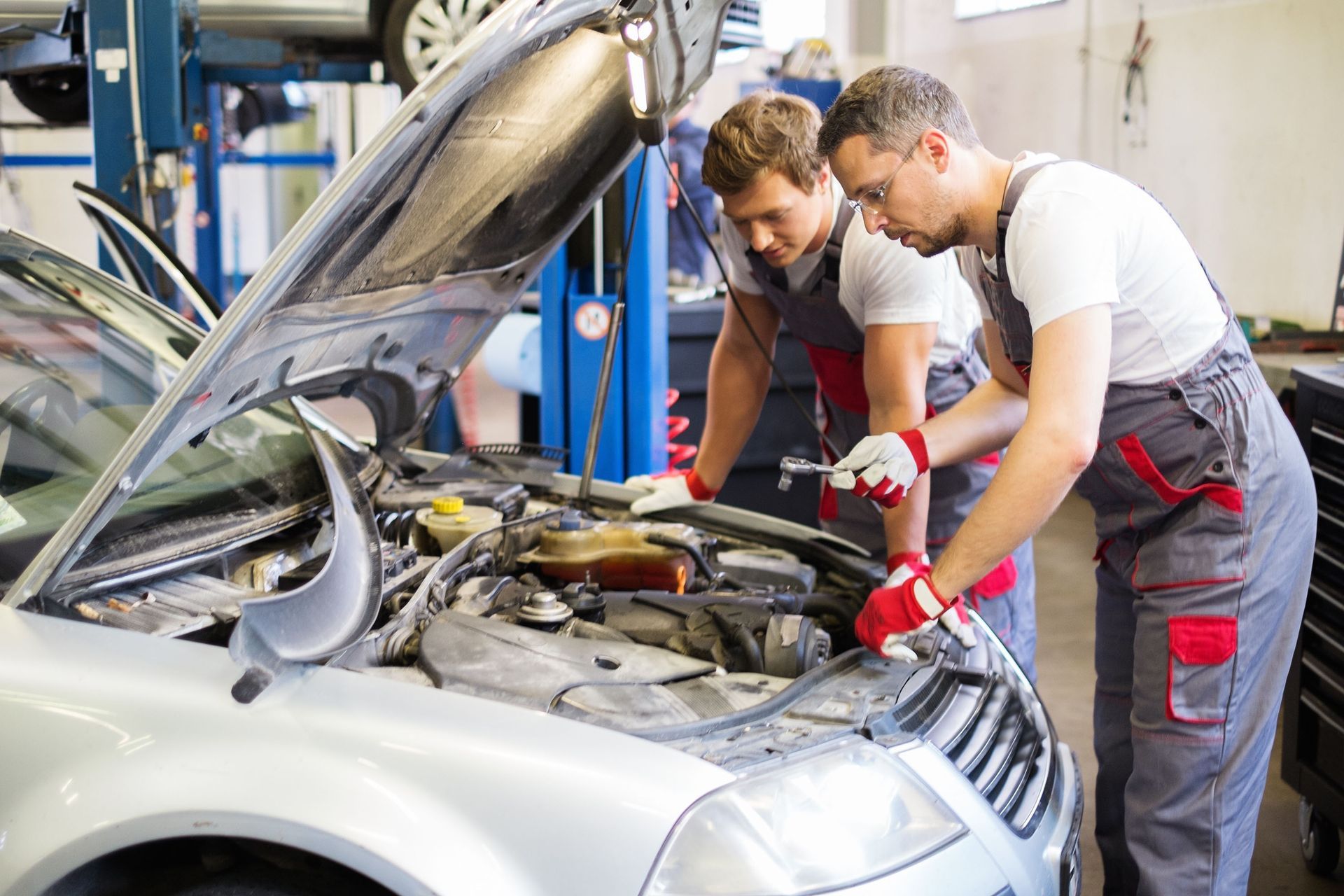
Scheduled check-ups provide car owners with peace of mind, knowing that their vehicles are thoroughly inspected by professionals. These routine inspections can uncover potential issues before they escalate into significant problems. Mechanics can identify signs of wear and tear that might not be immediately apparent to the average driver. According to IBISWorld, there are over 303,000 auto repair businesses in the U.S. Meaning there is no shortage of auto repair technicians ready to keep vehicles in optimal condition. Regular check-ups boost vehicle reliability, ensuring that owners face fewer unexpected setbacks on the road.
Long-Term Benefits on Vehicle Lifespan
A vehicle's lifespan is significantly extended through consistent preventive maintenance practices. When a car is maintained regularly, its components are less prone to premature wear and failure. Ensuring that all vehicle systems function correctly leads to a prolonged usable life. Cars that are well-maintained typically retain their value better, making them more attractive to potential buyers if the owner decides to sell. Owners who invest in their vehicle's upkeep can enjoy a reliable mode of transportation for an extended period.
Manufacturer Recommendations
Following the manufacturer's maintenance schedule is crucial for maximizing vehicle performance and longevity. Manufacturers provide detailed maintenance guidelines tailored to each vehicle model. These recommendations are based on extensive research and testing, ensuring optimal functionality and safety. Ignoring these guidelines can result in voided warranties and decreased performance. Regular adherence to the manufacturer's schedule not only boosts performance but also enhances the vehicle's resale value.
Common Preventive Maintenance Practices
Oil Changes and Engine Care
Oil changes are fundamental to maintaining engine health and preventing internal damage. Engine oil acts as a lubricant, reducing friction between moving parts. Over time, oil can degrade and become contaminated, leading to increased wear. Regular oil changes ensure the engine runs smoothly and efficiently, reducing the risk of overheating and component failure. Neglecting this essential task can result in severe damage, necessitating costly auto repair.
Tire Maintenance and Safety
Tire maintenance is critical for ensuring the safety and performance of a vehicle. Regular tire rotations and alignments prevent uneven tread wear, enhancing traction and stability. Maintaining proper tire pressure is vital for fuel efficiency and handling. Underinflated tires can increase fuel consumption and the risk of blowouts. With routine inspections and maintenance, car owners can drive confidently, knowing their tires are in top condition.
Brake System Inspections
The brake system is one of the most critical safety components of a vehicle. Regular brake inspections ensure that the system operates effectively, reducing the risk of accidents. Mechanics check brake pads, rotors, and fluid levels to identify any signs of wear or malfunction. Addressing issues promptly prevents further damage and ensures reliable stopping power. A well-maintained brake system contributes to overall vehicle safety and performance.
Fluid Checks and Replacements
Fluids play a vital role in the functionality and efficiency of various vehicle systems. Regular checks and replacements of fluids such as coolant, transmission fluid, and steering fluid are essential. Each fluid serves a specific purpose, such as cooling the engine or facilitating smooth gear transitions. Over time, these fluids can degrade and lose their effectiveness, leading to system malfunctions. Routine maintenance ensures fluid levels and quality are optimal, preventing costly auto repair down the line.
Battery Maintenance
Battery maintenance is essential for reliable vehicle operation, especially during extreme weather conditions. Regular testing ensures the battery is functioning correctly and holding a charge. Cleaning battery terminals and checking for corrosion can prevent starting issues. Replacing an aging battery before it fails avoids inconvenient breakdowns. Consistent battery maintenance ensures that car owners are not left stranded due to unforeseen power failures.
Financial Implications of Preventive Maintenance
Budgeting for Maintenance Costs
Effective budgeting is essential for managing the costs associated with regular vehicle maintenance. Setting aside a dedicated fund for routine services prevents financial strain when unexpected issues arise. By anticipating maintenance expenses, car owners avoid the temptation to skip essential tasks due to cost concerns. Overlooking necessary maintenance can lead to larger, unforeseen bills that disrupt personal finances. Strategic budgeting ensures that vehicle care remains a priority without causing economic hardship.
Insurance Benefits
Well-maintained vehicles often benefit from favorable insurance conditions and lower premiums. Insurers recognize that regular maintenance reduces the likelihood of accidents and breakdowns, leading to fewer claims. Some insurance providers offer discounts to car owners who can demonstrate a consistent maintenance history. By investing in preventive maintenance, car owners can enjoy cost savings on insurance, increasing the affordability of vehicle ownership. Maintaining a clean, reliable car is seen as a lower risk by insurers, fostering a win-win situation for all parties involved.
Resale Value Enhancements
A vehicle's resale value is closely linked to its maintenance history and condition. Prospective buyers seek cars with documented maintenance records, valuing transparency and reliability. Regular service ensures that components remain in good condition, reducing depreciation rates. With routine maintenance, vehicles maintain better performance and aesthetics, appealing more to potential buyers. Car owners who prioritize preventive care can command higher prices when selling or trading in their vehicles.
Avoiding Major Repair Bills
Preventive strategies effectively mitigate the risk of incurring expensive auto repair costs. Addressing minor issues early prevents them from escalating into significant problems requiring costly interventions. Routine inspections and services act as a safety net, catching potential issues before they develop into catastrophic failures. Car owners who neglect preventive maintenance may face exorbitant auto repair bills, often as a result of avoidable damage. By committing to regular care, vehicle owners can safeguard against unforeseen financial burdens associated with major repairs.
Integrating Preventive Maintenance into Your Lifestyle
Establishing a Maintenance Routine
Creating a consistent maintenance schedule aligns with long-term vehicle care goals and personal lifestyles. Setting regular intervals for essential tasks fosters discipline and ensures nothing is overlooked. Car owners can sync maintenance routines with daily, weekly, or monthly schedules to accommodate busy lifestyles. Incorporating maintenance planning into daily life simplifies vehicle care, streamlining the process for consistent adherence. An organized approach to scheduling cultivates a habit that promotes vehicle reliability and performance.
Incorporating Maintenance in Travel Plans
Adjusting travel itineraries to include necessary vehicle check-ups ensures peace of mind on long journeys. Planning visits to trusted mechanics before embarking on road trips mitigates the risk of encountering issues while away from home. Preparing vehicles for travel includes ensuring optimal fluid levels, tire conditions, and brake functionality. These preventive measures enhance safety and confidence while exploring new destinations. By incorporating maintenance checks into travel plans, car owners can focus on enjoying their adventures without automotive concerns.
The integration of preventive auto repair into the routine of car ownership provides long-term benefits that extend beyond the vehicle itself, promoting safety and cost-effectiveness. By investing time and resources into preventive maintenance, car owners can significantly enhance their ownership experience and ensure their vehicle remains a reliable partner on the road for years to come. If you're looking for quality auto repair in Matthews, NC at competitive prices, contact Best Auto Repair Matthews today!